Welcome to Medica.

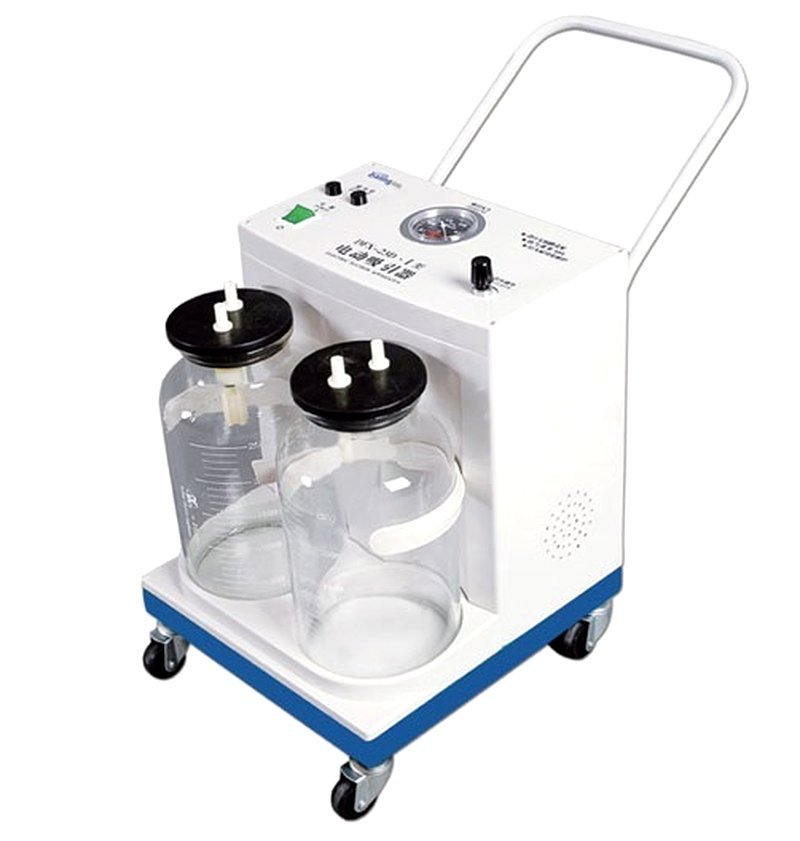
Suction machines, commonly referred to as suction units or aspirators, are vital medical devices designed to eliminate excess fluids, secretions, or foreign objects from a patient’s airway or body cavity. These devices are indispensable in a range of medical environments, including hospitals, clinics, emergency services, and suction machines for home use care. In this blog, we will explore the various applications of medical suction machines, their key components, and their importance in delivering effective healthcare.
A suction apparatus, commonly known as an aspirator, is a medical device designed to remove fluids and gases such as mucus, vomit, blood, saliva, and other secretions from a patient’s body cavities, including the lungs, mouth, and skull.
These devices are crucial in various medical situations, particularly when a patient is unconscious, vomiting, or experiencing seizures. They are frequently used during medical procedures, whether in single-jar or double-jar configurations, providing essential support in both pre-hospital and hospital settings, as well as for continuous patient management.
The functions of suction apparatuses extend beyond simply clearing obstructions; they include:
Medical suction machines have undergone significant advancements since their origins as manual devices in the 1860s, evolving into sophisticated electric-powered models. Today, a variety of hospital suction machines are available to cater to diverse medical needs.
Manual suction machines operate without electricity or batteries, making them ideal for emergency situations outside of hospital settings. They are compact, lightweight, portable, and easy to use.
Wall-mounted suction machines are installed in hospital rooms or ambulances and provide reliable, consistent suction powered by electricity. These machines require a continuous power supply and are commonly used during surgeries as part of standard medical protocols.
Portable suction machines are battery-operated and designed for mobility. Lightweight and user-friendly, they are particularly beneficial for patients receiving palliative care or those unable to clear secretions on their own, such as individuals with COPD, cystic fibrosis, or ALS. In emergencies, such as accidents or respiratory crises, portable suction devices can be life-saving.
Airway Clearance: Suction machines play a vital role in clearing airways of secretions and obstructions, especially during emergencies like choking or respiratory distress, where timely suctioning can be life-saving.
Surgical Procedures: These devices are essential in surgical environments, where maintaining a clear field is crucial for successful operations. Surgeons rely on vacuum suction machines to remove blood, fluids, and debris, ensuring optimal visibility and accuracy throughout the procedure.
Respiratory Therapy: Patients suffering from respiratory conditions such as COPD, pneumonia, or bronchitis often need suctioning to eliminate excess mucus and secretions. Phlegm suction machines aid in this process, enhancing breathing and reducing the risk of complications.
Wound Care: In the realm of wound management, suction machines are utilized to extract exudate, pus, or other fluids from wounds or surgical sites. This not only promotes healing by minimizing infection risks but also supports the development of healthy tissue.
Home Care: Suction machines are increasingly used in home healthcare settings, particularly for patients who need ongoing respiratory support or struggle to clear their airways independently. Portable suction units empower caregivers to deliver necessary suctioning at home, enhancing patient comfort and safety.
Creation of Negative Pressure: The suction machine utilizes a motor-driven pump, usually a diaphragm or piston pump, to create negative pressure within a closed system.
Suction Catheter or Hose: This negative pressure is connected to a suction catheter or hose. When the open end of the catheter is positioned near the target area (such as a patient’s airway or wound), the negative pressure draws in fluids, secretions, or other materials.
Collection Container: The substances being suctioned are funnelled into a collection container, which often features a filter or barrier to prevent solids or contaminants from reaching the pump or the surrounding environment.
Pressure Regulation: Most suction machines come equipped with adjustable suction pressure settings, allowing for customization based on the specific needs of the medical procedure or the sensitivity of the patient.
Maintenance: Regular maintenance of the suction machine is essential to ensure optimal performance and hygiene, which includes cleaning and checking the components regularly.
Frequency of Cleaning: Clean the aspirator after each suction machine use. Use personal protective equipment (PPE) to protect against hazardous waste. Schedule regular cleaning intervals for reusable parts.
Single-Use Components: Many parts are designed for single use. Consult the product manual to identify reusable vs. disposable parts.
Disposal Protocols: Follow hospital and local protocols for disposing of single-use parts.
Routine Cleaning: Wipe the unit’s housing and vacuum port with a damp cloth and mild soap. Dry the surfaces with a lint-free cloth.
Disinfection Process: After suction machine use, clean the housing and vacuum port with a cloth dampened in a 10% bleach solution. Ensure no liquid enters the aspirator during cleaning. Allow the aspirator to dry completely before storage or reuse.
Avoid Harmful Substances: Do not let grease or oil enter the system or coat reusable parts. Prevent excessive water exposure to the inside of the aspirator. Avoid hydrocarbon or abrasive cleaners to prevent damage to the casing or components.
Explore a wide range of suction machines available online at Medikabazaar, designed to meet diverse medical needs across hospitals, clinics, and home care settings. Whether you’re looking for portable, manual, or wall-mounted suction units, Medikabazaar offers top-quality products from trusted brands. Easily browse through various models with detailed specifications, compare features, and select the best fit for your requirements. With a simple ordering process, secure payments, and excellent customer support, purchasing suction machines online from Medikabazaar ensures convenience and reliability for all your healthcare needs.
|
Brand |
Model |
Type |
Price Range (INR) |
Affordability |
Quality |
Best for |
|
Romsons |
GS-9012 |
Portable |
5,500 – 7,000 |
Affordable |
Good |
Homecare, emergency transport |
|
Royal Surgicare |
SU-100 |
Wall-mounted |
8,000 – 10,500 |
Moderate |
High |
Hospitals, surgical use |
|
Medikart Healthcare |
MKS-01 |
Manual |
4,000 – 6,000 |
Very affordable |
Basic |
Emergency use, no power required |
|
Zoll |
330 Aspirator |
Portable |
14,000 – 18,000 |
Expensive |
Premium |
Critical care, advanced homecare |
|
Dr. Med |
DMS-2000 |
Portable |
9,000 – 12,000 |
Moderate |
High |
Clinics, hospitals, minor procedures |
Our website features a wide range of brands, including Lifex, Anand Medical, and many more. You can compare suction machine prices, explore various models, and choose the suction machine that best fits your needs.
|
Products |
|
Yuwell Electric Suction Apparatus |
|
LIFEX Suction Machine |
|
Anand Medicaid High Vacuum Suction Machine |
Ans. A suction machine is used to remove fluids, mucus, or blood from a patient’s airway or surgical site, ensuring clear breathing and a clean surgical environment. It is commonly used in surgeries, emergency care, and respiratory treatments.
Ans. To use a suction machine, connect the suction catheter to the machine, place the catheter into the patient’s airway or area needing fluid removal, and activate the machine to gently suction out fluids. Always monitor the suction pressure and patient comfort during the procedure.
Ans. The main types of suction machines include manual suction machines, which are hand-operated for emergency use, and electrical suction machines, powered by electricity or batteries for more consistent and controlled suction during surgeries or medical procedures.
Ans. Suction machines work by creating negative pressure to draw fluids, mucus, or blood through a catheter and into a collection container. The motor generates suction, helping to clear airways or surgical sites for better visibility and patient care.
Ans. To choose the right suction machine, consider factors like the intended use (emergency, surgical, or home care), suction power, portability, and whether you need a manual or electric model. Ensure it meets your specific medical requirements and is compatible with necessary accessories.

Typically replies within an hour
I will be back soon

Reviews
There are no reviews yet.